Evaluating the 3D Kids Card Laser Cut: A Digital Resource for Creative Designers
In the rapidly evolving landscape of digital crafting and personalized design, creators are constantly seeking tools that offer both versatility and precision. Among the various resources available, the 3D Kids Card Laser Cut has emerged as a notable option for those looking to produce intricate, layered paper art. However, understanding the true value of this resource requires a clear distinction between physical products and digital assets. This analysis explores what the 3D Kids Card Laser Cut entails, its technical specifications, and how it fits into the broader ecosystem of digital design files.
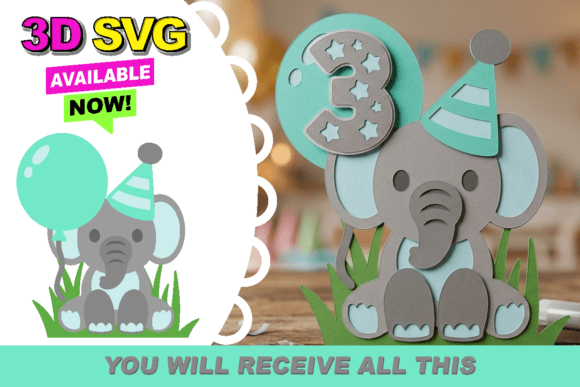
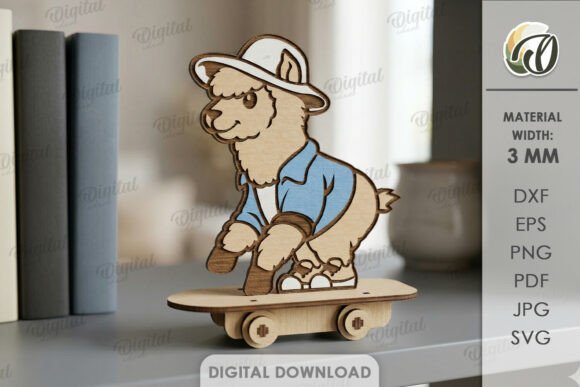
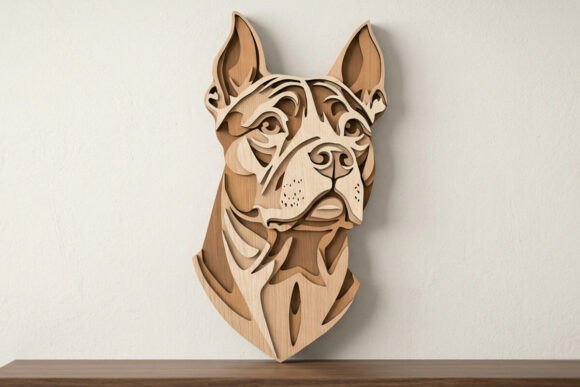
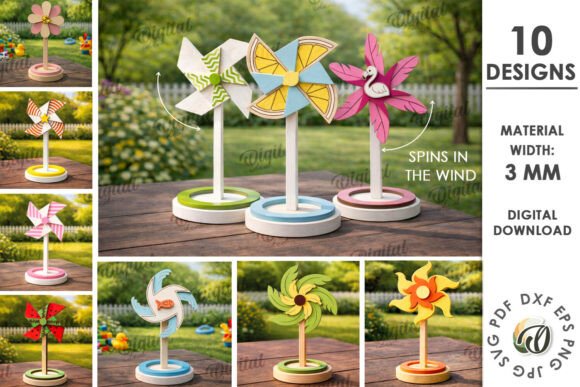
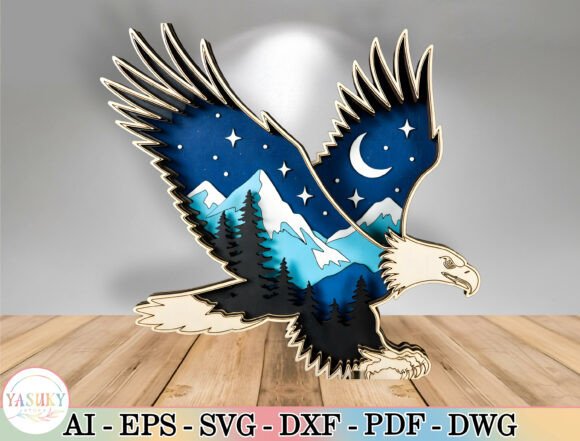
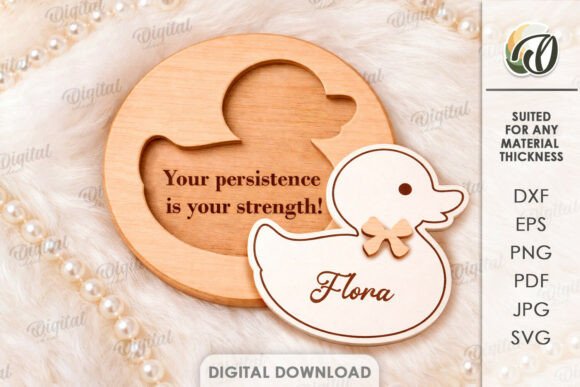
It is crucial to begin with a fundamental clarification regarding the nature of this product. The 3D Kids Card Laser Cut is exclusively a digital download. No physical goods, printed cards, or pre-assembled items will be shipped to the buyer. The visual representations found in store listings serve strictly as inspiration to demonstrate the potential outcome of using these files. Purchasers receive a compressed zip folder containing a single design file provided in multiple formats, including SVG, DXF, EPS, PDF, JPEG, and PNG. This multi-format approach is designed to accommodate a wide range of software capabilities and cutting machine requirements, making it a flexible tool for both novice and experienced crafters.
Understanding the Technical Specifications and File Formats
The utility of any digital cut file largely depends on the formats included and their compatibility with standard design software. The inclusion of SVG (Scalable Vector Graphics) makes the 3D Kids Card Laser Cut particularly appealing to users of Silhouette Cameo, Cricut, and other vinyl cutter brands. SVG files allow for easy resizing without loss of quality, which is essential when creating cards of varying dimensions. For users working with more advanced vector software like Adobe Illustrator or CorelDRAW, the EPS format provides robust editing capabilities, allowing designers to modify line weights, colors, and structural elements before sending the file to a laser cutter.
The DXF format serves as another critical component, offering broad compatibility across different CAD (Computer-Aided Design) programs and laser cutting machines. This ensures that whether a user is operating a small desktop laser engraver or a larger industrial-grade CO2 laser, the design can be interpreted accurately. Furthermore, the inclusion of PDF and JPEG/PNG files adds layers of convenience. High-resolution JPEGs and PNGs are invaluable for users who wish to print the design manually or use it as a reference guide during assembly. Meanwhile, the PDF format allows for direct printing on cardstock, providing an alternative for those who may not own a laser cutter but still wish to create the 3D effect through manual folding and gluing techniques.
Comparing Digital Files vs. Physical Pre-Made Cards
When evaluating the 3D Kids Card Laser Cut, it is helpful to compare it against purchasing pre-made physical cards. While buying a finished product offers immediate gratification, it lacks the customization and personal touch that digital files enable. With the digital version, the creator controls every aspect of the final output, from the choice of paper weight and texture to the color palette and embellishments. This level of control transforms the process from simple consumption to active creation.
Furthermore, digital files eliminate the logistical constraints of shipping and inventory. A physical card must be manufactured, packaged, and delivered, often resulting in higher costs and longer wait times. In contrast, the 3D Kids Card Laser Cut provides instant access upon purchase. This immediacy is particularly beneficial for last-minute gift-giving occasions or professional projects with tight deadlines. Additionally, owning the digital file allows for unlimited reproductions. A designer can create one card today and ten more tomorrow without incurring additional production costs, making it a cost-effective solution for high-volume needs.
Assessing Versatility and Use Cases
The primary appeal of the 3D Kids Card Laser Cut lies in its adaptability. While marketed under the theme of "kids," the intricate layering and geometric precision inherent in laser-cut designs often transcend age-specific aesthetics. The design can be reimagined for various contexts, from birthday celebrations to educational displays or office decor. The "endless possibilities of creation" mentioned by the seller refer to the ability to scale, recolor, and combine elements within the design file.
For educators and parents, these files offer an engaging way to introduce children to basic principles of geometry and spatial awareness. By assembling the layers of the card, users can visualize how two-dimensional shapes come together to form three-dimensional structures. This tactile experience complements digital learning and encourages hands-on creativity. Moreover, the clean lines and precise cuts typical of laser-cut designs result in a polished, professional appearance that elevates the perceived value of the final product.
In a commercial context, such as a boutique greeting card shop or a custom party supply business, these digital files provide a scalable asset. Instead of designing each card from scratch, a business owner can utilize the 3D Kids Card Laser Cut as a base template. They can then apply branding, adjust text, or modify minor details to suit specific client requests. This workflow efficiency reduces time-to-market and allows for greater product variety without significantly increasing labor hours.
Evaluating Limitations and Considerations
While the benefits of the 3D Kids Card Laser Cut are substantial, potential buyers should be aware of certain limitations. The most significant factor is the requirement for specialized equipment. To fully realize the 3D effect intended by the design, users typically need access to a laser cutter or a deep-score embossing machine. Manual cutting with scissors or craft knives is possible but challenging, as the intricate details may be difficult to replicate accurately without leading to uneven edges or misaligned layers.
Another consideration is the skill level required for assembly. Layered paper art demands patience and precision. Glue placement, alignment of tabs, and the sequence of assembly are critical to achieving the desired depth and stability. Beginners may find the learning curve steep initially, although the provided JPEG and PDF guides can mitigate some of these challenges by offering visual instructions. It is also worth noting that the quality of the final output is heavily dependent on the quality of the materials used. Thin or low-quality cardstock may not hold the structural integrity needed for complex 3D designs, potentially leading to warping or collapse.
Decision Factors: When Is This Right for You?
Determining whether the 3D Kids Card Laser Cut is the right choice depends on individual goals and resources. If you are a hobbyist with a laser cutter and enjoy experimenting with new designs, this digital asset offers excellent value. The variety of file formats ensures compatibility with your existing workflow, and the ability to customize the design enhances the creative process. Similarly, if you are a small business owner looking to expand your product line with unique, high-quality greeting cards, this file provides a strong foundation for development.
Conversely, if you lack the necessary equipment or prefer ready-made solutions, this digital product may not meet your needs. In such cases, exploring physical card options or simpler printable templates might be more appropriate. Additionally, if you require a design that is highly specific to a niche theme not covered by this particular file, you may need to commission a custom design or look for more specialized digital assets. It is always advisable to review the preview images carefully to ensure the style aligns with your aesthetic preferences.
Conclusion
The 3D Kids Card Laser Cut represents a practical and versatile resource for digital crafters and designers. By providing multiple file formats and emphasizing the potential for customization, it caters to a broad audience of users seeking to create original, high-quality paper art. While it requires specific tools and a degree of technical skill, the rewards in terms of creative freedom and professional results are significant. As with any digital purchase, understanding the distinction between the inspirational photos and the actual digital deliverables is key to a satisfying experience. For those willing to invest the time in mastering the assembly process, this design offers a compelling pathway to producing unique, memorable creations for home, office, or gifting purposes.
Thank you for considering this resource. If you have specific questions about file compatibility or assembly techniques, reaching out to the creator can provide further clarity. Happy shopping, and may your creative projects be both successful and inspiring.