Multi-Layered 3D Paper Cut Art
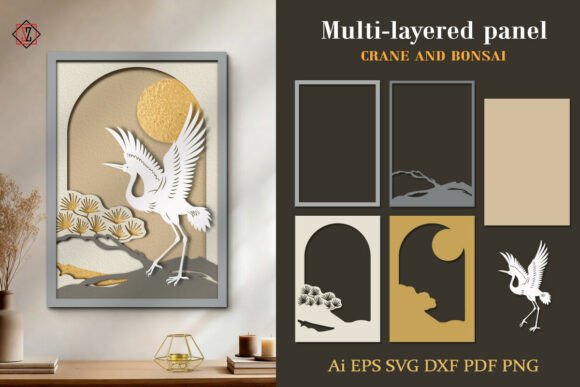
In the realm of visual design, few elements capture attention quite like depth. While digital screens dominate our daily interactions, there is a distinct, tactile appeal to physical art that mimics three-dimensional space through two-dimensional means. This is where Multi–layered Panel- 3D Paper Cut Art shines, offering a sophisticated blend of traditional craftsmanship and modern digital precision. Specifically, designs featuring Japanese minimalism—such as the elegant composition of a crane, bonsai, mountains, and a golden moon—provide more than just decoration; they offer an atmospheric experience rooted in oriental wisdom.
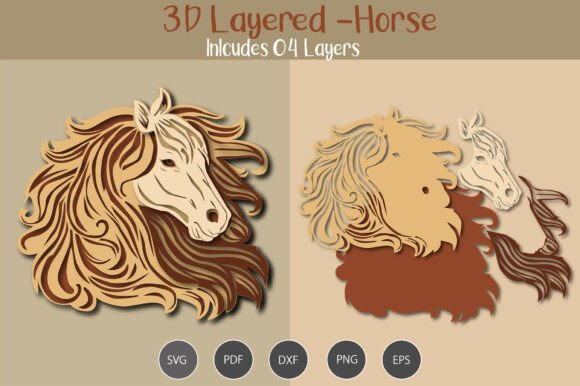
This style of artwork relies on the strategic layering of separate elements to create volume and shadow without the need for complex sculpting. By stacking cut-out shapes using volumetric adhesive tape, designers can transform flat vector files into immersive decorative panels. The result is a piece that feels alive, shifting subtly with the viewer’s perspective and the ambient lighting of the room. For creators looking to add a touch of serenity and sophistication to their projects, understanding the nuances of this medium is essential.
The Aesthetic of Serenity: Visual Characteristics and Symbolism
The core appeal of this specific panel design lies in its adherence to Japandi, Wabi-Sabi, and Zen aesthetics. These styles prioritize simplicity, natural materials, and the beauty of imperfection or transience. When you look at a multi-layered panel featuring a graceful crane silhouette alongside a refined bonsai tree, you are not just seeing images; you are engaging with a curated narrative of tranquility.
Each element within the composition carries deep symbolic weight:
- The Bonsai: Representing patience, harmony, and the relentless striving for perfection. It serves as a reminder of the beauty found in controlled growth and meticulous care.
- The Crane: A universal symbol of longevity, happiness, and good luck. Its presence adds a sense of grace and elevated spirit to the overall arrangement.
- The Golden Moon: Evoking inner peace, enlightenment, and quietude. In many interpretations, the moon acts as a focal point that draws the eye upward, creating a sense of infinite space.
- The Mountains: Providing stability and grounding, these layers anchor the ethereal qualities of the crane and moon.
Visually, the effect is one of refined elegance. The clean lines typical of vector-based modern typography and graphic design translate seamlessly into paper cut art. The negative space becomes as important as the positive, allowing light to filter through the layers and cast soft shadows. This interplay of light and shadow creates a dynamic surface that changes throughout the day, making it an ideal choice for spaces intended for relaxation and meditation.
Practical Applications Across Creative Industries
While often associated with home decor, the versatility of Multi–layered Panel- 3D Paper Cut Art extends far beyond the living room wall. For professional designers, marketers, and content creators, these assets offer unique opportunities for branding and editorial work.
Interior Design and Spatial Styling
In interior design, particularly for bedrooms, living rooms, and dedicated yoga or meditation spaces, these panels serve as powerful focal points. They bridge the gap between functional furniture and fine art. Unlike flat prints, a 3D paper cut panel interacts with the architecture of the room. It is perfectly suited for interiors that embrace minimalism, where clutter is minimized, and every object must earn its place through aesthetic and emotional value.
Event Design and Wedding Decor
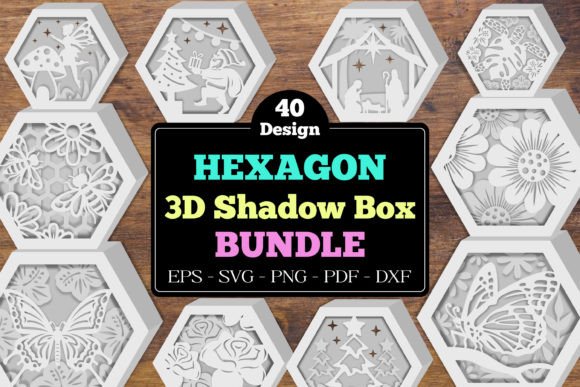
The wedding industry has seen a surge in demand for personalized, handmade touches. Custom 3D paper cut panels make exceptional centerpieces, welcome signs, or backdrop elements. The symbolism of the crane and bonsai resonates deeply with couples seeking to convey wishes for a long, harmonious marriage. Because the files are available in multiple formats, including AI, EPS, SVG, DXF, PDF, and PNG, event planners can easily scale these designs from small table decorations to large architectural installations.
Packaging and Brand Identity
For brands focused on wellness, tea, ceramics, or artisanal goods, incorporating 3D paper cut motifs into packaging design can elevate product perception. Imagine a premium tea box that opens to reveal a layered scene of mountains and cranes. This tactile experience reinforces brand values of quality, tradition, and mindfulness. In logo design and brand identity, simplified versions of these silhouettes can serve as memorable icons that communicate heritage and calm.
Technical Execution and Material Selection
Creating high-quality 3D paper cut art requires more than just a good design file; it demands careful material selection and assembly techniques. The provided design assets are optimized for both manual cutting and digital plotters, ensuring accessibility for hobbyists and professionals alike.
To achieve the desired structural integrity and visual impact, consider the following practical guidelines:
- Paper Weight Matters: Use thick paper, cardboard, or cardstock ranging from 200 to 300 g/m². Thinner papers may sag under the weight of upper layers or fail to hold the tension required for crisp edges. Dense materials ensure the structure remains stable over time.
- Enhancing the Moon Layer: To maximize the "noble" look described in the design concept, replace the standard white or colored layer for the moon with gold, silver, or metallic foil paper. This simple swap introduces a reflective quality that catches light and adds a premium finish.
- Texture for Depth: Incorporating textured paper—such as linen, cotton, or handmade washi—adds an extra layer of sophistication. The subtle variations in surface texture interact with shadows, enhancing the 3D effect and giving the piece a handcrafted, artisanal feel.
- Assembly Precision: Use volumetric adhesive tape (foam tape) of varying thicknesses. Thicker tape between lower layers creates deeper shadows, while thinner tape between upper layers maintains detail. Consistency in spacing is key to a polished final product.
The availability of files in Svg and Dxf formats allows for precise cutting on plotter machines, which is crucial for intricate details like the branches of the bonsai or the feathers of the crane. However, the PNG files with transparent backgrounds are equally valuable for digital mockups, allowing designers to visualize how the final physical product might look in a rendered interior before committing to production.
Why This Design Resonates Today
In an era of digital saturation, there is a growing craving for tangible, slow-design experiences. Multi–layered Panel- 3D Paper Cut Art taps into this desire by combining the efficiency of digital creation with the soul of analog craft. It appeals to audiences who value mindfulness, sustainability, and aesthetic purity.
For bloggers and publishers, these visuals provide rich content for articles on mental health, interior trends, or DIY crafts. For social media managers, the striking contrast and depth of 3D paper cuts perform exceptionally well in visual feeds, stopping the scroll and encouraging engagement. Whether used as a standalone statement piece or integrated into a broader suite of design assets, this style offers a timeless appeal that transcends fleeting trends.
Ultimately, the success of such a project lies in the balance between technical precision and artistic expression. By respecting the symbolism of each element and choosing materials that honor the minimalist ethos, creators can produce work that is not only visually stunning but also emotionally resonant. It is a testament to the power of simplicity, proving that with the right layers, even the simplest shapes can tell a profound story.