Hexagon 3D Shadow Box Bundle: A Comprehensive Guide to Layered Paper Engineering
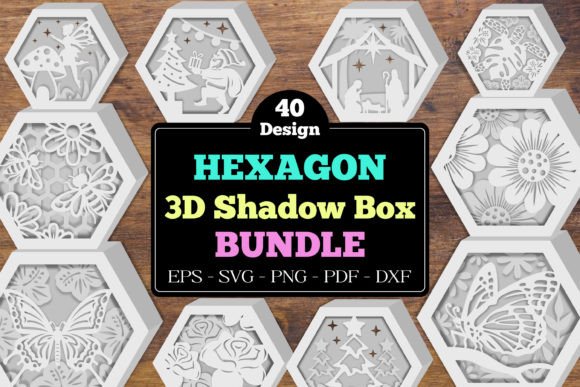
The world of paper crafting has evolved significantly in recent years, moving beyond simple flat cutouts into the realm of dimensional art. At the forefront of this evolution is the Hexagon 3D Shadow Box Bundle, a digital asset collection designed to bridge the gap between technical precision and artistic expression. This guide explores the intricacies of hexagonal layering, the technical specifications of the included file formats, and how various user groups can leverage these resources to create stunning visual depth.
Unlike traditional shadow boxes that rely on physical depth provided by thick mats or frames, hexagonal designs utilize multiple layers of material cut at precise intervals to simulate three-dimensional space on a two-dimensional plane. The result is an optical illusion of volume, texture, and perspective that captivates viewers. Whether you are a seasoned graphic designer looking to expand your portfolio or a hobbyist seeking a new weekend project, understanding the mechanics behind these bundles is essential for achieving professional results.
The Anatomy of Hexagonal Layering
To appreciate the value of the Hexagon 3D Shadow Box Bundle, one must first understand the geometric principles at play. The hexagon is a naturally efficient shape, appearing frequently in nature from honeycombs to basalt columns. In design, its six-sided symmetry allows for seamless tiling and complex interlocking patterns that feel both organic and structured.
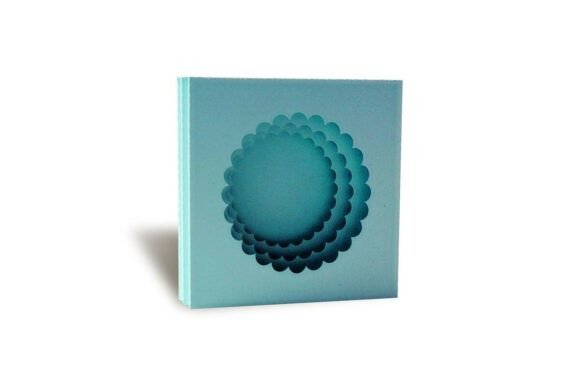
When creating a 3D effect using paper or cardstock, the key variable is the distance between layers. By stacking identical or scaled hexagonal shapes with consistent spacing, designers create a "tunnel" effect. As the eye travels through the layers, the brain interprets the diminishing size and increasing opacity as depth. This technique, known as parallax, is what gives the final piece its immersive quality.
The bundle simplifies this process by providing pre-calculated files. Instead of manually calculating the scaling percentages for each layer—a task prone to mathematical error—the bundle offers ready-to-use assets. This ensures that every cut aligns perfectly, maintaining the structural integrity of the design. For educators teaching geometry, this provides a tangible example of scaling and coordinate geometry. For artists, it removes the barrier of technical calculation, allowing them to focus purely on color theory and composition.
Technical Specifications and File Formats
One of the primary advantages of purchasing a comprehensive digital bundle like the Hexagon 3D Shadow Box Bundle is the versatility of the included file types. Different projects require different software environments, and having access to a wide array of formats ensures compatibility across various cutting machines and design programs.
- SVG (Scalable Vector Graphics): This is the most versatile format for modern electronic cutters such as Cricut and Silhouette. SVGs are resolution-independent, meaning they can be resized infinitely without losing quality. This is crucial for shadow box designs, where you may need to scale a small motif up to fit a large frame or down for jewelry making.
- Ai CS6 (Adobe Illustrator): For professionals working within the Adobe ecosystem, the AI file offers full editability. Users can manipulate individual paths, adjust anchor points, and modify colors directly. The CS6 version ensures broad compatibility with older versions of Illustrator, while still supporting advanced vector features.
- EPS (Encapsulated PostScript): Often used in professional printing workflows, EPS files preserve vector data and can be imported into a variety of design applications, including CorelDRAW and Inkscape. They are particularly useful for sending designs to commercial printers who may not accept proprietary formats.
- PNG (Portable Network Graphics): While PNGs are raster images, high-quality versions included in these bundles serve specific purposes. They are ideal for quick previews, digital scrapbooking, or printing on standard inkjet printers when vector capabilities are not required. The transparency of PNGs allows the background to show through, mimicking the empty spaces in a layered design.
- PDF (Portable Document Format): PDFs are excellent for sharing designs with clients or collaborators who do not have specialized editing software. They preserve layout and fonts, ensuring that the recipient sees exactly what the creator intended. Many cutting machines can also read PDF files directly, streamlining the workflow.
- DXF (Drawing Exchange Format): Originally developed by Autodesk, DXF is a standard file type for CAD (Computer-Aided Design) software. It is widely supported by laser cutters and CNC routers. If you plan to use wood, acrylic, or metal instead of paper, the DXF file ensures that your machine can interpret the vector paths accurately.
Practical Applications Across Industries
The utility of hexagonal 3D designs extends far beyond casual crafts. The Hexagon 3D Shadow Box Bundle serves diverse audiences with distinct needs and objectives.
Professional Graphic Designers and Printers
For graphic designers, these bundles offer a rapid prototyping tool. When pitching concepts for packaging, exhibition displays, or editorial illustrations, having pre-made 3D elements saves hours of modeling time. Designers can integrate these vectors into larger compositions, adding a tactile element to digital presentations. Printers benefit from the clean vector lines, which ensure crisp cuts and minimal waste during production runs.
Educators and STEM Facilitators
In educational settings, these files become powerful teaching aids. Teachers can use the layered hexagons to demonstrate concepts in physics, such as light refraction and shadow formation. In mathematics classes, students can explore tessellations and spatial reasoning by physically assembling the layers. The hands-on nature of building a 3D shadow box reinforces abstract concepts, making learning more engaging and memorable for students of all ages.
Small Business Owners and Marketers
Businesses looking to create unique branded merchandise find immense value in these designs. Imagine custom hexagonal packaging for artisanal soaps, candles, or tech accessories. The 3D effect adds perceived value to the product, making it stand out on shelves. Furthermore, social media content featuring the assembly process of these intricate boxes generates high engagement, offering free marketing through viral potential.
Hobbyists and Home Decor Enthusiasts
For the DIY community, the appeal lies in customization. Using materials like colored cardstock, vellum, or even translucent acetate, hobbyists can create personalized wall art, gift tags, and holiday ornaments. The ability to choose your own color palette means that the same hexagonal structure can evoke entirely different moods—from the cool blues of a winter landscape to the warm oranges of a sunset.
Workflow Considerations and Best Practices
While the files provide the blueprint, the success of the final project depends on execution. Several factors influence the quality of a 3D shadow box.
Material Selection: The thickness of the material plays a critical role in the depth perception. Thicker materials, such as foam core or corrugated board, create more pronounced shadows and a stronger sense of depth but require more precise alignment. Thin materials like cardstock allow for finer detail and smoother transitions between layers but may require more support to prevent warping. Experimenting with mixed media, such as combining paper with fabric or foil, can add texture and visual interest.
Cutting Precision: Regardless of whether you use a hand knife or an electronic cutter, precision is paramount. Misaligned cuts will disrupt the symmetry of the hexagon, breaking the illusion of depth. When using electronic cutters, ensure that the blade sharpness is optimal and that the material is securely held in place to prevent shifting during the cut.
Assembly Technique: Spacing is everything. To achieve uniform depth, many creators use spacers such as strips of tape or thin cardboard pieces placed between layers during gluing. This method ensures that the distance between each hexagon remains constant, resulting in a professional-looking finish. Adhesives should be applied sparingly to avoid seepage and visible glue marks, which can detract from the clean aesthetic of the design.
Trends in Dimensional Paper Art
The popularity of 3D shadow boxes reflects a broader trend in design towards tactile experiences. In an increasingly digital world, consumers are craving physical interactions that engage multiple senses. The Hexagon 3D Shadow Box Bundle taps into this desire by offering a medium that is both visually striking and physically interactive.
Furthermore, sustainability is driving innovation in paper crafts. Many users are opting for recycled papers and biodegradable adhesives, aligning their creative practices with environmental values. The longevity of paper art, when properly preserved, also appeals to those looking to reduce single-use plastics in their home decor. By choosing paper over plastic for decorative items, creators contribute to a more sustainable lifestyle without sacrificing aesthetic quality.
As technology advances, we are also seeing a convergence of digital and physical arts. Augmented reality (AR) filters now exist that can animate static shadow box designs, adding motion to the layers. This opens up new possibilities for digital creators who wish to blend traditional craftsmanship with modern tech trends. The Hexagon 3D Shadow Box Bundle serves as a foundational resource for these hybrid projects, providing the static vector base upon which dynamic digital effects can be built.
Conclusion
The Hexagon 3D Shadow Box Bundle represents more than just a collection of cut files; it is a toolkit for creativity, education, and professional development. By offering a range of compatible formats and leveraging the inherent beauty of hexagonal geometry, it empowers users to create complex, dimensionally rich artworks with ease. Whether you are designing for a commercial client, teaching a classroom, or simply enjoying a creative afternoon, these resources provide the flexibility and precision needed to bring your vision to life. As the demand for unique, handmade, and meaningful objects continues to grow, mastering the art of 3D paper engineering will remain a valuable skill for creators across all disciplines.