Cute Puppy Dog 3D Layered Shadow Box
The intersection of digital fabrication and home decor has created a unique space for creators who want to blend technology with tangible, emotional design. One standout example of this convergence is the Cute Puppy Dog 3D Layered Shadow Box. This product is not merely a decorative item; it represents a shift in how individuals engage with crafting tools like Cricut, Silhouette, and laser cutters. It moves beyond simple stencils or flat decals, offering a multi-dimensional experience that brings depth, texture, and warmth into living spaces. For professionals in the maker community, educators teaching design principles, or hobbyists looking to elevate their gifting game, understanding the value of layered papercut art is increasingly relevant.
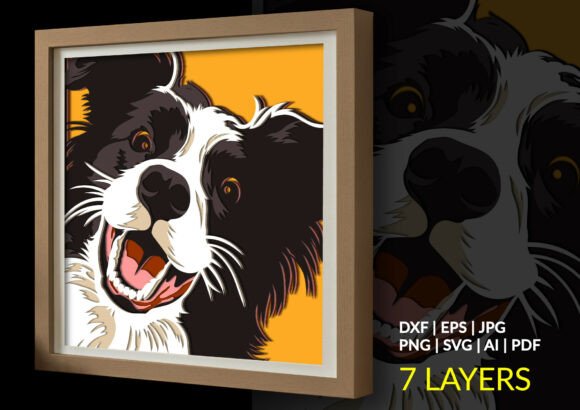
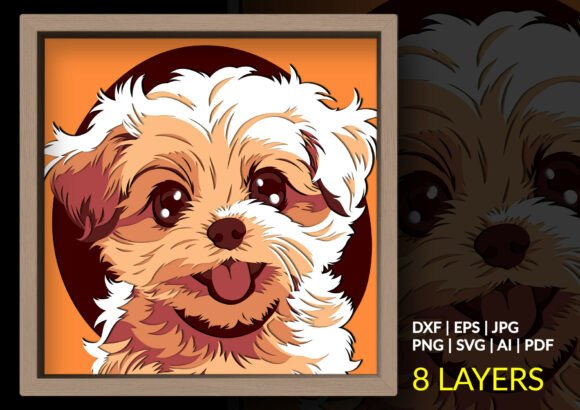
At its core, a 3D shadow box utilizes multiple layers of material—typically cardstock, foam board, or acrylic—stacked at varying distances from the background. This technique creates an illusion of depth, mimicking the way our eyes perceive three-dimensional objects in real life. The specific design featuring an eight-layer puppy captures this effect beautifully. By engineering each layer to represent different aspects of the dog’s anatomy—such as the nose, eyes, ears, and fluffy coat—the final result is a rich, realistic portrait that feels alive. The warm orange and brown tones used in this particular design are not arbitrary; they are chosen to evoke a sense of coziness and joy, making the piece an inviting addition to any room.
The Evolution of Maker Culture and Decor
Gone are the days when crafting was seen solely as a child’s activity or a niche hobby confined to scrapbooks. Today, the "maker movement" has permeated professional workflows and modern interior design trends. Consumers are increasingly seeking personalized, handmade items that tell a story, moving away from mass-produced decor. This trend is driven by a desire for authenticity and connection. A Cute Puppy 3D Shadow Box fits perfectly into this landscape because it offers a level of customization and intricacy that factory-made prints cannot replicate.
Furthermore, the accessibility of cutting machines has democratized high-quality production. Tools like Cricut Explore and Silhouette Designer Edition have lowered the barrier to entry for complex designs. However, the quality of the output depends heavily on the source file. This is where the technical precision of the provided SVG, DXF, EPS, and AI files becomes critical. These formats ensure that the intricate cuts required for the eight layers are clean and precise, allowing even novice users to achieve professional results. The availability of a comprehensive PDF guide further supports this workflow, providing step-by-step instructions that reduce the learning curve associated with assembly.
Technical Precision and Creative Flexibility
One of the most significant advantages of purchasing a dedicated layered design file is the optimization for various software ecosystems. The inclusion of an SVG file ensures compatibility with Cricut Design Space and other vector-based platforms, while the DXF file caters specifically to Silhouette users who may be working with free software versions. For those engaged in professional graphic design, the EPS and AI files offer the flexibility needed for advanced customization in Adobe Illustrator or Inkscape. This versatility means that the design can be adapted to different materials, sizes, and color palettes without losing its structural integrity.
The PNG file, provided at a high resolution of 300dpi with a transparent background, serves a dual purpose. It allows users to preview the design digitally before committing to physical materials, which is a crucial step in minimizing waste—a growing concern for environmentally conscious creators. Additionally, it provides a visual reference for coloring or shading if one chooses to hand-paint certain elements, though the design is primarily intended for machine cutting. The combination of these file formats demonstrates a forward-thinking approach to product delivery, acknowledging the diverse needs of the user base.
Emotional Resonance in Home Spaces
Why does a puppy design resonate so strongly? Beyond the aesthetic appeal, there is a psychological component to pet-themed decor. Dogs are often viewed as family members, symbols of loyalty, and sources of unconditional love. Displaying a representation of a puppy in a home environment can serve as a daily reminder of these positive emotions. For parents, such a piece can be a gentle introduction to themes of care and responsibility for children. In nurseries, the soft curves and warm colors of the shadow box create a soothing atmosphere, distinct from the harsher lines of modern minimalist decor.
The "joyful expression" mentioned in the product description is not just marketing fluff; it is a deliberate design choice. Bright eyes and a wagging tail (implied through the dynamic pose) convey energy and happiness. When placed in a hallway, bedroom, or office, this image can act as a subtle mood booster. In professional settings, such as a veterinary clinic or a pet store, it reinforces brand identity and connects with customers on an emotional level. The ability to produce this image consistently through digital means allows businesses to scale their branding efforts without sacrificing the personal touch.
Practical Applications for Creators and Businesses
For entrepreneurs in the handmade goods market, the Cute Puppy Dog 3D Layered Shadow Box offers a high-value product opportunity. Unlike single-layer stickers or simple keychains, a layered shadow box commands a higher price point due to the perceived complexity and effort involved in assembly. This makes it an attractive item for gift shops, online marketplaces like Etsy, and local craft fairs. The "thoughtful handmade gift" aspect is particularly strong during holiday seasons, birthdays, or special occasions like welcoming a new puppy.
Educators can also leverage this design in STEM or art classes. The project teaches concepts of spatial reasoning, layering, and precision cutting. Students learn how overlapping shapes create depth, a fundamental principle in both visual arts and engineering. The provided PDF guide facilitates lesson planning, ensuring that teachers can focus on instruction rather than troubleshooting design errors. Moreover, the use of laser-cutting technology in educational settings prepares students for modern manufacturing techniques, bridging the gap between creative arts and technical skills.
Assembly and Quality Considerations
While the digital files provide the blueprint, the physical outcome relies on careful execution. The eight detailed layers require patience and attention to detail during assembly. Users should start with the background layer and work their way forward, using spacers (often included or recommended in the guide) to maintain consistent depth. The choice of paper weight is also important; heavier cardstock holds its shape better but may be more challenging to cut cleanly, while lighter paper requires more delicate handling. Experimenting with different textures, such as kraft paper for a rustic look or glossy cardstock for vibrancy, can yield unique variations of the original design.
The optimization for clean cutting means that the file paths are designed to minimize material waste and prevent tearing. However, users must still calibrate their machines correctly. Factors like blade sharpness, cutting speed, and pressure settings can affect the final result. The inclusion of multiple file formats acknowledges that not all users have access to the same hardware, ensuring that everyone from casual hobbyists to professional designers can participate in creating this piece.
Conclusion
The Cute Puppy Dog 3D Layered Shadow Box exemplifies the potential of digital design to enhance physical reality. It combines technical precision with emotional resonance, offering a versatile product that appeals to a wide audience. Whether you are a seasoned crafter looking to expand your portfolio, a business owner seeking unique inventory, or an educator aiming to inspire creativity, this design provides a robust foundation. As the trend toward personalized, meaningful decor continues to grow, products that bridge the gap between digital innovation and traditional craftsmanship will remain highly relevant. By investing in high-quality, well-engineered files, users can create lasting impressions that bring warmth and joy to their surroundings.