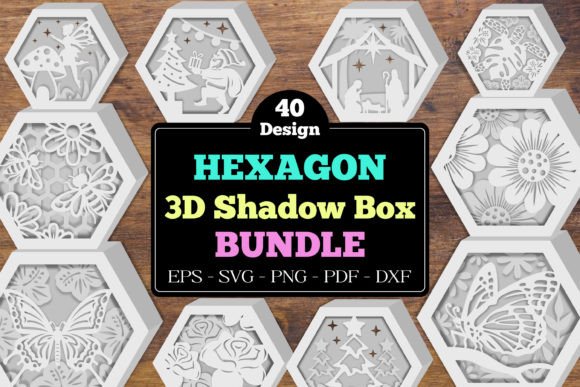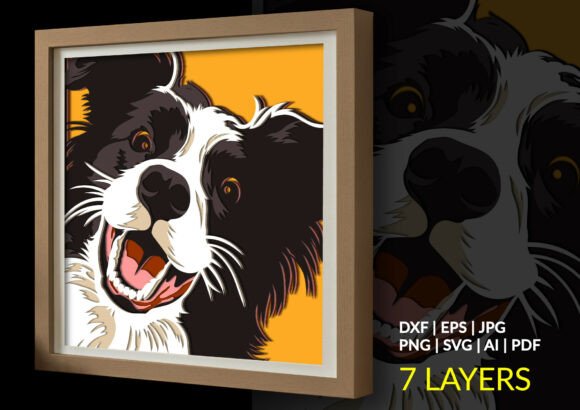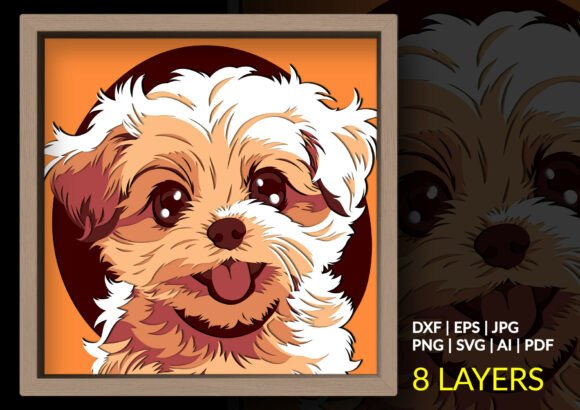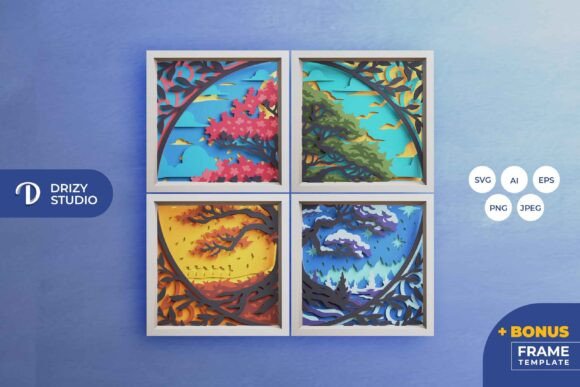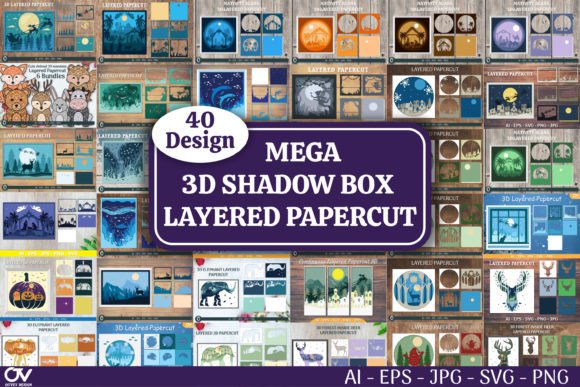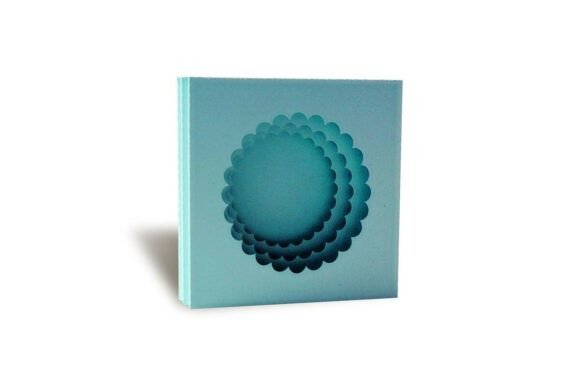
3D Layered Shadow Box Card 3D Frame SVG
In a digital landscape saturated with flat, ephemeral content, the tactile experience of physical media remains a powerful differentiator. For professionals, creators, and small business owners seeking to elevate their communication strategy, the 3D Layered Shadow Box Card 3D Frame SVG offers more than just a decorative element; it provides a structural framework for depth, narrative, and engagement. This design is not merely a craft project but a strategic tool that bridges the gap between traditional print craftsmanship and modern vector-based precision.
The core value of this asset lies in its simplicity and modularity. It features a single-piece cut for the box structure itself, accompanied by distinct interior layers. The assembly process is intuitive yet effective: accordion fold along the perforated lines on the two sides of the box, fold the bottom to close, insert the inside layers into the accordion folds, and secure the top tab. This mechanical elegance allows for rapid prototyping and scaling, making it an ideal solution for entrepreneurs who need high-impact deliverables without complex manufacturing overheads.
Strategic Applications Beyond Decoration
While the immediate appeal of a shadow box card is aesthetic, its utility extends significantly into branding, customer experience (CX), and operational efficiency. When used intentionally, the 3D Layered Shadow Box Card 3D Frame SVG can serve as a multi-dimensional touchpoint in your marketing funnel or internal workflow.
Enhancing Brand Storytelling
Branding is no longer about logos alone; it is about the sensory experience associated with your name. A flat invitation feels standard; a layered shadow box feels like an event. By utilizing the deep-layered edge frame capability of this SVG design, you can create unboxing experiences that reinforce brand values such as attention to detail, creativity, and premium quality. For freelancers and agencies, sending a client proposal or a thank-you note in this format signals that you invest in the relationship beyond the transactional level.
- First Impressions: Use the card for onboarding new clients or employees. The act of assembling it creates a memorable entry point.
- Milestone Celebrations: Mark anniversaries, product launches, or team achievements with a tangible artifact that stands out in a mailbox dominated by bills and flyers.
- Portfolio Showcases: Artists and designers can use the interior layers to display multiple works or stages of a project, turning a static card into a mini-gallery.
Operational Efficiency in Production
For decision-makers concerned with resource allocation, the technical nature of the 3D Layered Shadow Box Card 3D Frame SVG offers significant advantages. Because the design is vector-based, it scales perfectly from business-card-sized inserts to large-format display pieces without loss of quality. The "one piece cut" methodology reduces material waste and simplifies the cutting process, whether done via laser cutter, die-cut machine, or even precision manual scoring for small batches.
This efficiency translates to lower cost-per-unit at scale and faster turnaround times. You are not managing multiple separate components that require intricate gluing or alignment during mass production. The accordion-fold mechanism ensures that the structural integrity holds up under handling, reducing returns or complaints due to damaged packaging.
Planning and Implementation Strategy
To derive maximum value from this asset, you must move beyond random usage and adopt a planned approach. Intentionality is the key to distinguishing between a novelty item and a strategic tool.
Defining the Objective
Before ordering prints or setting up your design software, clarify the goal. Are you using the 3D Layered Shadow Box Card 3D Frame SVG to drive sales, enhance loyalty, or educate? Your objective will dictate the complexity of the layers and the messaging.
- Sales-Driven: If the goal is conversion, ensure the interior layers highlight the product’s benefits clearly. Use the depth to create visual hierarchy, drawing the eye to the call-to-action.
- Loyalty-Driven: For retention, focus on emotional resonance. Personalize the innermost layer with a handwritten note or a unique code. The effort required to assemble the box mirrors the care you put into maintaining the customer relationship.
- Educational/Informational: Use the layers to break down complex information. Each layer can represent a step in a process, allowing the recipient to physically interact with the learning material.
Design Considerations for Depth
The strength of this SVG lies in its ability to create depth. However, poor design choices can lead to clutter. When planning your layout, consider the following:
- Layer Count: More layers do not always mean better impact. Three to five well-placed layers often provide the optimal balance of visual interest and ease of assembly. Too many layers can make the box difficult to close or cause the accordion folds to buckle.
- Contrast and Color: Use color theory to guide the viewer’s eye through the layers. Lighter colors may recede, while darker or brighter elements can pop forward, creating a dynamic 3D effect even when viewed from a distance.
- Material Selection: The choice of paper stock affects the final outcome. Thicker cardstock provides better structural support for the accordion folds, ensuring the box maintains its shape. Consider textured papers to add another sensory dimension.
Risks and Mitigation
No strategic tool is without risks. Understanding these potential pitfalls allows you to mitigate them before they impact your results.
The Novelty Trap
One common mistake is relying solely on the gimmick of the 3D form. If the content inside lacks substance, the initial excitement will fade quickly, potentially damaging your reputation. The 3D Layered Shadow Box Card 3D Frame SVG should amplify your message, not replace it. Ensure that the text, imagery, and value proposition are as compelling as the physical construction.
Assembly Complexity for Recipients
While the design is engineered for easy assembly, some recipients may find the accordion folding unintuitive if not properly guided. To mitigate this, include clear, concise instructions on the back of the card or within any accompanying digital communication. Clear guidance enhances the user experience and prevents frustration.
Cost vs. Perceived Value
High-quality printing and specialized materials can increase costs. It is crucial to calculate the return on investment. Sending a premium shadow box card to every lead in a database may not be sustainable. Instead, reserve this format for high-value interactions, VIP customers, or specific campaigns where the impact justifies the expense.
Long-Term Value and Adaptability
The true power of the 3D Layered Shadow Box Card 3D Frame SVG lies in its adaptability over time. As trends shift and technologies evolve, the ability to customize this template ensures it remains relevant. You can update the interior graphics to reflect seasonal themes, new product lines, or current events without redesigning the entire structural component.
Furthermore, this format supports sustainability goals if managed correctly. By using durable materials and encouraging recipients to keep the box as a decorative frame or storage container, you extend the lifecycle of the printed material. This aligns with the growing consumer preference for brands that minimize waste and maximize utility.
Conclusion on Strategic Utility
Incorporating the 3D Layered Shadow Box Card 3D Frame SVG into your toolkit is a decision that prioritizes quality and engagement. It requires thoughtful planning, precise execution, and a clear understanding of your audience’s needs. When used strategically, it transforms ordinary communication into an immersive experience that fosters deeper connections and drives better outcomes. Whether you are a freelancer looking to stand out, a marketer aiming to boost open rates, or an educator seeking innovative teaching aids, this design offers a versatile foundation for achieving your goals. Approach it with intention, respect the mechanics of its design, and let the depth of the card reflect the depth of your message.