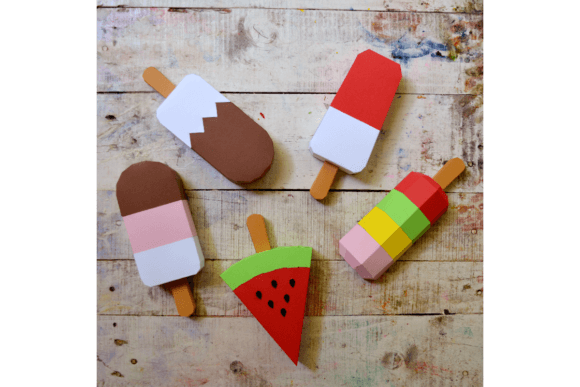
Summer Ice-cream SVG Layered 3D SVG
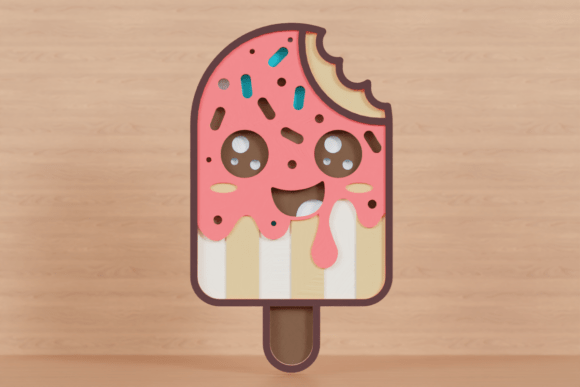
The trend toward multi-dimensional papercraft has transformed simple digital downloads into tangible art pieces that add depth and personality to physical spaces. Among the most popular designs for this technique is the Summer Ice-cream SVG Layered 3D SVG. This specific file type allows creators to move beyond flat stickers or single-layer cutouts, offering a complex, shadow-box effect that mimics the rich textures of a real sundae or popsicle. For hobbyists, small business owners, and professional designers alike, understanding how to properly utilize these files can mean the difference between a messy, frustrating project and a stunning, gallery-worthy display.
However, simply downloading a zip file does not guarantee success. Many users encounter issues with alignment, material choice, or software compatibility before they even pick up a cutting machine. By anticipating common pitfalls and preparing correctly, you can ensure your layered ice cream design looks as professional as it appears on screen.
Understanding the File Ecosystem
When you purchase or download the Summer Ice-cream SVG Layered 3D SVG, you are rarely receiving just one format. High-quality digital craft assets typically come in a comprehensive package designed to accommodate various workflows. From this file, you will receive an extensive suite of formats including:
- Ai file: Ideal for Adobe Illustrator users who need full vector editing capabilities.
- EPS file: A standard vector format compatible with many older or cross-platform design programs.
- SVG file: The primary source file for most modern cutting machines like Cricut and Silhouette.
- PNG file: A raster image useful for printing or quick previews without vector software.
- PDF file: Useful for viewing layer order and scaling if no vector software is available.
- DXF file: Essential for AutoCAD or other architectural/engineering software users.
- DWG file: Another AutoCAD native format for precise technical applications.
This variety ensures that whether you are using a laser cutter, a vinyl plotter, or a CNC router, you have the correct asset. However, having the files is only the first step. The true value lies in how you organize and process them.
Common Mistakes in Layered Papercraft
One of the most frequent errors beginners make is assuming all layers are created equal. In a complex design like the Summer Ice-cream SVG, each layer represents a specific color and depth. If you import all layers into your cutting software simultaneously without separating them by color, your machine may attempt to cut multiple colors onto a single sheet of paper or cardstock. This results in wasted material and a ruined project.
Another overlooked detail is the scale of the design. Vector files are resolution-independent, meaning they can be scaled infinitely. However, when dealing with intricate layered details—such as the sprinkles on a scoop of ice cream or the texture of a waffle cone—scaling too large can cause the delicate inner cuts to become structurally weak. Conversely, scaling too small can make the layers indistinguishable from one another, losing the 3D effect entirely. Always check the dimensions in your software before sending the job to the cutter.
Furthermore, many users overlook the importance of the "serial" order mentioned in the instructions. Layering is not random; it follows a specific sequence from back to front. Skipping a layer or reversing the order can disrupt the visual hierarchy, making the ice cream look disjointed rather than cohesive. It is crucial to verify the layer stack in your design software before cutting begins.
How to Execute the Project Correctly
To avoid these issues and achieve a polished result, follow a streamlined workflow. First, download the Flower (or in this case, the Ice Cream) design to your computer. Once downloaded, extract the files from the zip archive. This step is vital because compressed folders often contain hidden metadata or corrupted files if not fully extracted.
Next, upload the SVG file to your preferred software. If you are using Cricut Design Space or Silhouette Studio, you should separate the layers by color immediately. Group all elements of the same color together. This organization simplifies the cutting process, allowing you to load one color of cardstock, cut, unload, reload the next color, and repeat. This method minimizes material waste and reduces the risk of misalignment.
Once the cutting is complete, use your cutting machine’s output to guide your assembly. Stack the layers in the correct order as indicated by the serial numbers or visual cues in the design. Typically, the largest background shapes go down first, followed by progressively smaller, more detailed elements. Using a strong adhesive such as double-sided tape dots or a precision glue pen will help maintain the separation between layers, enhancing the 3D shadow effect.
Versatile Applications for Your Creation
Once you have mastered the assembly, the Summer Ice-cream SVG Layered 3D SVG opens up a wide array of creative possibilities. Its vibrant theme and intricate details make it suitable for various uses:
Home Decor
Transform your living space with stunning papercut designs adorning your walls. Create mesmerizing wall art that casts intricate shadows when backlit, instantly adding an elegant touch to any room. The layered nature of the ice cream design creates natural depth, making it a unique focal point for kitchens, nurseries, or summer-themed parties.
Greeting Cards
Craft unique and heartfelt greeting cards for special occasions. The intricate papercut patterns will create a visual feast for recipients, making your messages even more memorable. A layered ice cream card stands out significantly compared to traditional flat prints, showing a level of care and effort that recipients appreciate.
Scrapbooking
Elevate your scrapbooking projects with intricate papercut embellishments. These designs can beautifully frame your photos and memories, adding depth and texture to your layouts. Use smaller printed versions of the layers as journaling badges or photo corners to tie your summer album together thematically.
Event Invitations
Design captivating event invitations, whether for weddings, birthdays, or other celebrations. The delicate details of papercuts lend an air of sophistication that sets the tone for the upcoming festivities. Imagine a birthday invitation where the guest pulls a tab to reveal a layered ice cream cone—a tactile experience that builds excitement.
Laser Cutting Projects
Utilize the DXF or DWG files for laser cutting projects. While paper is common, these vectors work beautifully on wood veneer, acrylic, or felt. A wooden layered ice cream sign can serve as a durable, rustic decoration for a café or a child’s bedroom, showcasing the versatility of the vector data provided in the download.
Final Tips for Success
Before you begin, always test your design on scrap paper to check for alignment and scale. Experiment with different paper weights; heavier cardstock holds its shape better for larger displays, while thinner tissue paper works well for delicate, light-diffusing effects. Finally, keep your workspace clean. Small paper scraps from intricate cuts can easily jam cutting mats or interfere with laser lenses, so clean up as you go.
By paying attention to file organization, layer sequencing, and material selection, you can turn a simple digital download into a masterpiece. The Summer Ice-cream SVG Layered 3D SVG is more than just a clipart image; it is a template for creativity that rewards patience and precision with beautiful, three-dimensional results.