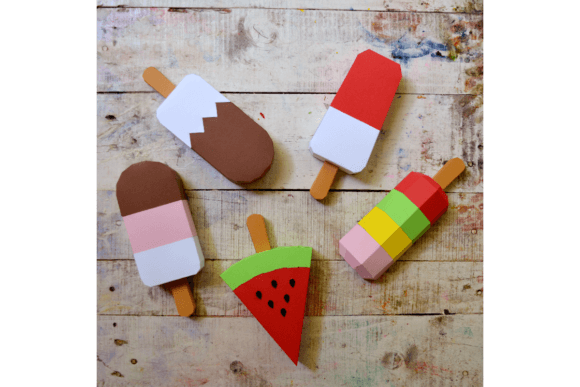
3D Papercraft Popsicles
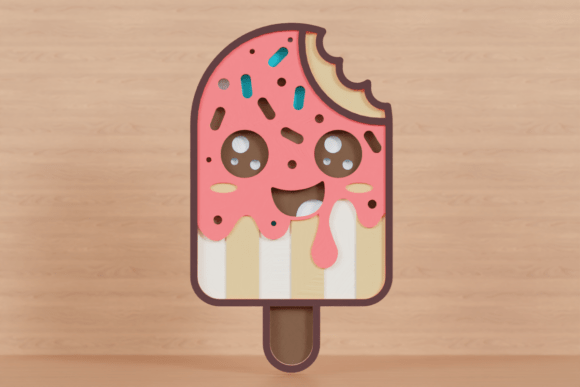
Summer is here and so are the icy sweets. There is something universally delightful about the sight of a colorful popsicle on a hot day, evoking memories of childhood summers, cooling relief, and simple joys. But what if you could capture that fleeting moment of sweetness without the mess, the stickiness, or the inevitable melt? Enter the world of paper art, where creativity meets practicality in the form of 3D Papercraft Popsicles. These intricate models allow you to decorate your walls with everlasting delights. Don’t worry, they won’t melt away. 🙂
While the prompt initially highlights "3D Papercraft Popsicles," the specific product details provided center around a charming companion piece: the Designer Paperpoly 3D Papercraft Snowman. This juxtaposition offers a fascinating look at how papercrafting transcends seasons. Whether you are crafting summer treats or winter friends, the underlying principles of design, precision, and artistic expression remain the same. This article explores the value of these DIY projects, focusing on the tangible benefits, the creative process, and the unique aesthetic appeal of bringing flat sheets of paper into three-dimensional life.
The Art of Everlasting Delights
Decorating your home with handmade items adds a layer of warmth and personality that mass-produced decor often lacks. The concept of "everlasting delights" speaks to the desire for beauty that endures. A real popsicle melts within minutes; a real snowman disappears with the first warm breeze. However, a meticulously crafted papercraft model remains constant, offering a permanent smile in your space. This permanence is not just about durability; it is about preserving the joy of creation.
For many creators, the act of building these models is as rewarding as displaying them. It is a meditative process that requires focus, patience, and a steady hand. The result is a tangible object that tells a story—not just of the final shape, but of the hours spent cutting, folding, and assembling. When you choose to bring a 3D Papercraft model into your home, you are also inviting the spirit of playfulness and craftsmanship into your daily environment.
Inside the Designer Paperpoly Experience
To truly understand the value of these projects, it helps to look under the hood of a specific example. The Designer Paperpoly 3D Papercraft Snowman serves as an excellent case study for what makes high-quality papercraft engaging. Thoughtfully crafted with intricate details, this model transforms simple geometry into a character full of charm.
The project is designed for accessibility, making it suitable for both beginners and experienced crafters. It comes with SVG cutting files and PDF instructions, ensuring that users have all the digital tools necessary to start their journey. The inclusion of visual guides further reduces the learning curve, allowing enthusiasts to focus on the joy of assembly rather than getting lost in complex technical diagrams.
Material Matters: Choosing the Right Cardstock
One of the most critical aspects of any 3D papercraft project is the material used. The structural integrity and visual appeal of the final model depend heavily on the weight and texture of the paper. For the Snowman project, the recommendation is Encore Cardstock 80 lb cover (216 gsm). This specific weight is crucial because it provides enough stiffness to hold the 3D shape without being so thick that it becomes difficult to fold along precise lines.
Using the correct cardstock ensures that the glued joints are secure and that the model stands upright without wobbling. It also allows for vibrant color reproduction, which is essential for bringing characters like the Snowman to life. While the prompt mentions a link to a 12×12 Cardstock Shop, the key takeaway is the importance of selecting a paper that balances durability with workability.
A Colorful Palette for Creativity
What sets a good papercraft project apart from a mediocre one is often the thoughtful use of color. The Snowman template requires a diverse palette, spread across 18 sheets of A4 or US letter paper. This variety allows for depth and dimensionality, preventing the final model from looking flat or monochromatic.
- Light Brown (5 sheets): Used for the base structure, providing a warm, neutral foundation.
- Dark Brown (2 sheets): Adds contrast and definition to specific features.
- Pink (2 sheets): Introduces a playful touch, perhaps for cheeks or decorative elements.
- White (3 sheets): Essential for the snowy theme, creating the primary body of the figure.
- Red (3 sheets): Offers a bold accent, likely for hats, scarves, or buttons.
- Yellow (1 sheet): Provides a bright highlight, possibly for eyes or small details.
- Green (2 sheets): Complements the red and white, adding a festive hue.
This distribution of colors is not arbitrary; it is calculated to create a balanced visual experience. By planning your cuts carefully, you can minimize waste and ensure that every sheet contributes to the final aesthetic. This attention to detail is a hallmark of well-designed papercraft templates.
Dimensions and Structural Integrity
Understanding the physical scale of your project is vital for planning your workspace and display area. The Snowman model is available in five different types, each with slightly varying dimensions. This variation allows creators to choose a size that fits their specific needs, whether it’s a small desk ornament or a larger centerpiece.
- Type 1: Width 7.5cm (3in), Height 20cm (7.9in), Length 3cm (1.2in).
- Type 2: Width 7.5cm (3in), Height 20cm (7.9in), Length 3cm (1.2in).
- Type 3: Width 7.5cm (3in), Height 20cm (7.9in), Length 3cm (1.2in).
- Type 4: Width 7cm (2.8in), Height 20cm (7.9in), Length 3.5cm (1.4in).
- Type 5: Width 11.9cm (4.7in), Height 19.7cm (7.8in), Length 3cm (1.2in).
Notice the consistency in height across all types, which suggests a uniform vertical presence, while the width and length vary to alter the profile. Type 5, for instance, is significantly wider, offering a more robust appearance. When selecting a type, consider where you intend to place the finished model. A narrower profile might fit better on a narrow shelf, while a wider base could provide better stability on a flat surface.
Step-by-Step Assembly Guide
Creating a 3D Papercraft model is a straightforward process, but it requires adherence to a specific sequence to ensure success. Here is how you can bring your chosen model to life:
- Download and Unzip: Begin by downloading the digital files and extracting them to a dedicated folder on your computer. Ensure all parts are accessible before you start printing.
- Print the Template: Use a printer capable of handling your chosen cardstock weight. Test print on regular paper first to check alignment and scaling if you are new to the brand.
- Cut Out the Parts: Carefully cut along the outer edges of each piece. Using sharp scissors or a craft knife will yield cleaner edges, which improves the final look of the model.
- Fold Along Lines: Identify the folding lines, usually indicated by dashed or dotted lines on the template. Use a bone folder or a blunt tool to score these lines, ensuring crisp, accurate folds.
- Glue Together: Follow the Visual Guide included in the PDF instructions. Apply glue sparingly to the tabs, press firmly, and allow sufficient drying time between steps. Patience is key here; rushing the gluing process can lead to misalignment.
Evaluating Suitability for Your Needs
Before embarking on a papercraft project, it is helpful to assess whether it aligns with your current goals and resources. Are you looking for a relaxing weekend activity? Do you need unique decor for a themed party? Or are you seeking a gift idea that feels personal and heartfelt?
3D Papercraft models like the Snowman or the conceptual Popsicles are ideal for these scenarios. They are cost-effective compared to buying similar decor items, and they offer a level of customization that store-bought items cannot match. However, consider the time commitment. An 18-sheet project is substantial and may take several hours to complete. It is best suited for those who enjoy the process as much as the outcome.
Practical Expectations and Limitations
While papercraft is rewarding, it is important to have realistic expectations. Paper is delicate. Even with high-quality cardstock, these models are not designed for rough handling or outdoor display. They are indoor decorations meant to be admired from a distance. Additionally, the complexity of the folding and gluing process means that mistakes can happen. If a tab breaks or a fold is inaccurate, it may affect the structural integrity of the model. Having extra glue and a steady workspace can mitigate these risks.
Furthermore, while the digital files are convenient, printing them yourself requires access to a reliable printer and appropriate materials. If you do not own a printer capable of handling heavy cardstock, you may need to visit a local print shop, which could add to the overall cost and time investment.
Conclusion
In a world dominated by digital content and fast fashion, taking the time to create something physical and lasting is a refreshing change. 3D Papercraft Popsicles and their seasonal counterparts, like the Designer Paperpoly 3D Papercraft Snowman, offer more than just a craft project; they offer a connection to the tactile world. They remind us that beauty can be constructed, piece by piece, from simple materials.
Whether you are decorating your walls with everlasting delights or simply enjoying the quiet satisfaction of completing a complex puzzle, these models provide a valuable outlet for creativity. By choosing the right materials, following the instructions carefully, and embracing the imperfections of handmade art, you can create unique pieces that bring joy to your space for years to come. So, grab your scissors, select your colors, and start crafting your own slice of summer—or winter—today.